Dating in Vietnam as a Foreigner: Culture, Apps and Family Expectations (2026)
Quick answer: Dating in Vietnam as a foreigner is very doable, especially in Hanoi, Ho Chi Minh City and Da Nang, where dating apps and English are common. What matters most is patience, clear communication and respect for family, which often plays a bigger role than visitors expect. Keep early dates public and low-key, learn a few Vietnamese phrases, and check visa rules for your own passport before you plan a long stay.
Dating in Vietnam as a foreigner can be a warm, rewarding experience, but it works best when you treat it as getting to know a person rather than a destination. This guide covers how dating usually works in Vietnamese culture, where people meet, the big-city differences, family expectations, and the practical side: visas, safety and money. It is written for anyone who is curious, respectful and willing to adapt.
What is dating in Vietnam as a foreigner really like?
There is no single Vietnamese dating style. A university student in Ho Chi Minh City, a professional in Hanoi and someone from a small town in the Mekong Delta may have very different expectations. Still, a few patterns come up again and again in guides and in conversations with people who live there:
- Things often move gradually. Many people prefer to chat for a while, meet in groups, or go on several casual outings before calling it a relationship.
- Public affection is usually modest. Holding hands is common; more than that in public can make people uncomfortable, especially outside nightlife areas.
- Intentions matter. Some people are looking for something serious and will want to know fairly early whether you are just visiting or planning to stay.
- Kindness is shown through actions. Checking that someone got home safely, remembering what they said, or bringing a small gift when meeting family tends to mean more than big speeches.
The most useful mindset is simple: ask, don’t assume. Treat every person as an individual, not as an example of a culture you read about online.
Where do foreigners meet people in Vietnam?
Dating apps
In the big cities, international apps such as Tinder and Bumble are widely used by locals and expats. VietnamCupid, run by Cupid Media, focuses on Vietnam and international matches. Once you click with someone, conversations often move to Zalo, a widely used Vietnamese messaging app, or to Facebook Messenger. Before you pay for any premium plan, read our guide on how to compare Asian dating apps.
Offline: classes, cafés and shared interests
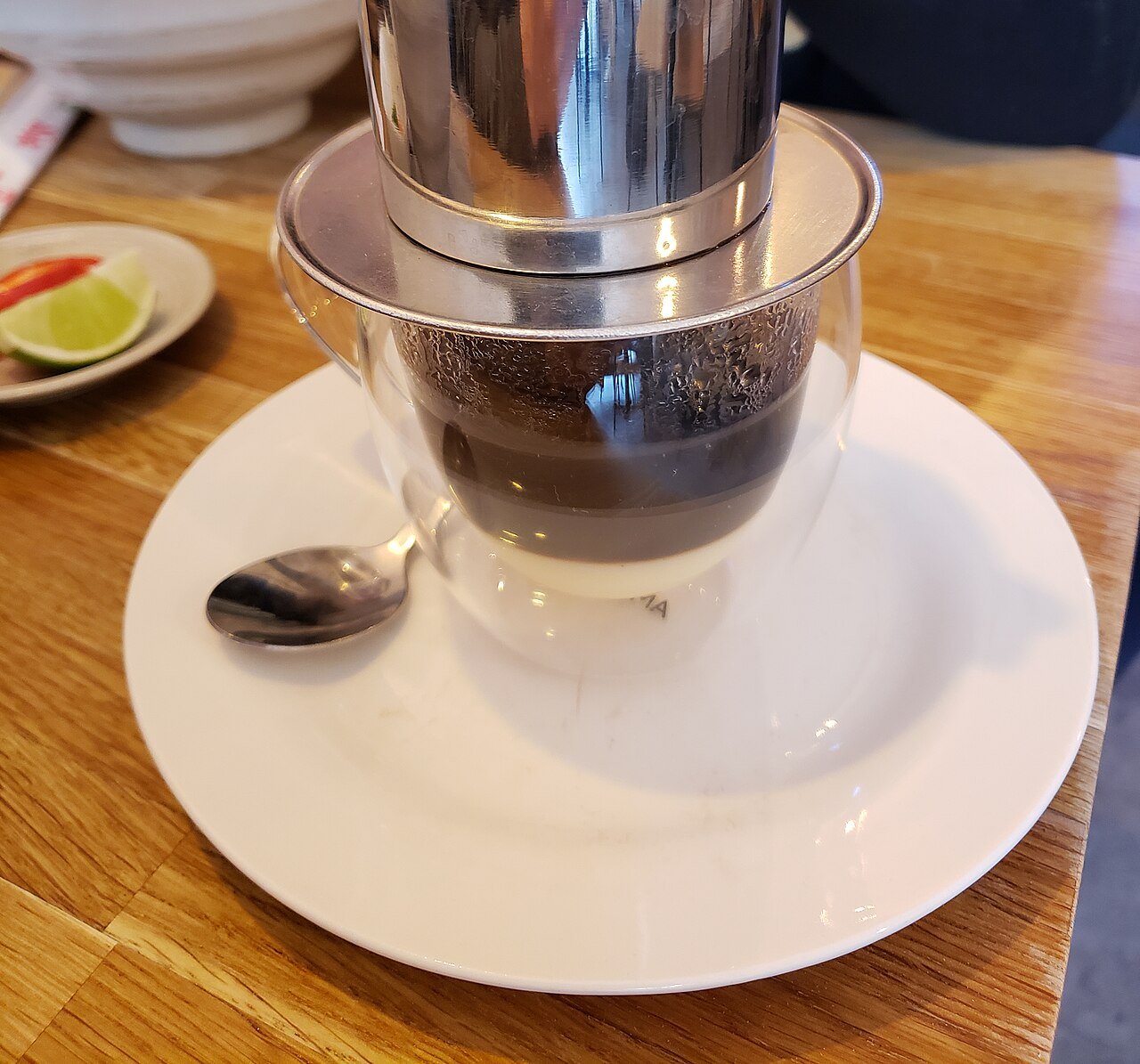
Café culture is a huge part of everyday life, which makes coffee the natural first date. Language exchanges, cooking classes, running clubs, volunteer groups and coworking spaces also give you a reason to talk that isn’t only about dating. Meeting through friends is still one of the most comfortable routes for many Vietnamese people.
Hanoi vs Ho Chi Minh City vs Da Nang: which city suits you?
Each major city has its own pace. This is a general comparison, not a ranking, and your experience will depend far more on the people you meet than on the city itself.
| City | General feel | Easy first-date ideas | Good to know |
|---|---|---|---|
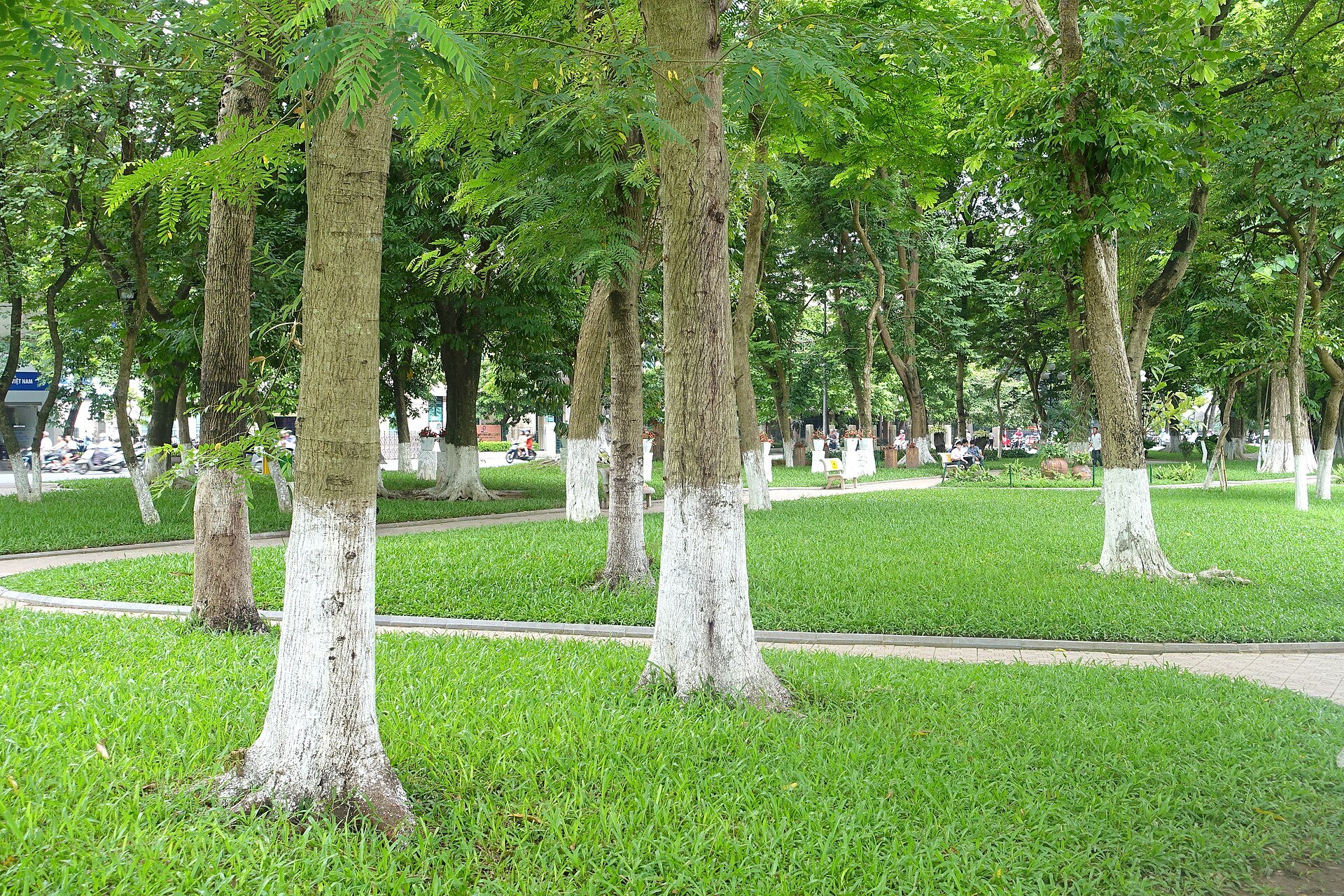
| Hanoi | Traditional, slower social pace, strong sense of family and history | A walk around Hoan Kiem Lake, coffee in the Old Quarter, a museum visit | Winters are cool and damp; some people are more reserved at first |
| Ho Chi Minh City | Fast, busy and international, with a big expat and business scene | Rooftop cafés, street-food tours, live music, weekend markets | Huge city with heavy traffic, so plan meeting spots both people can reach |
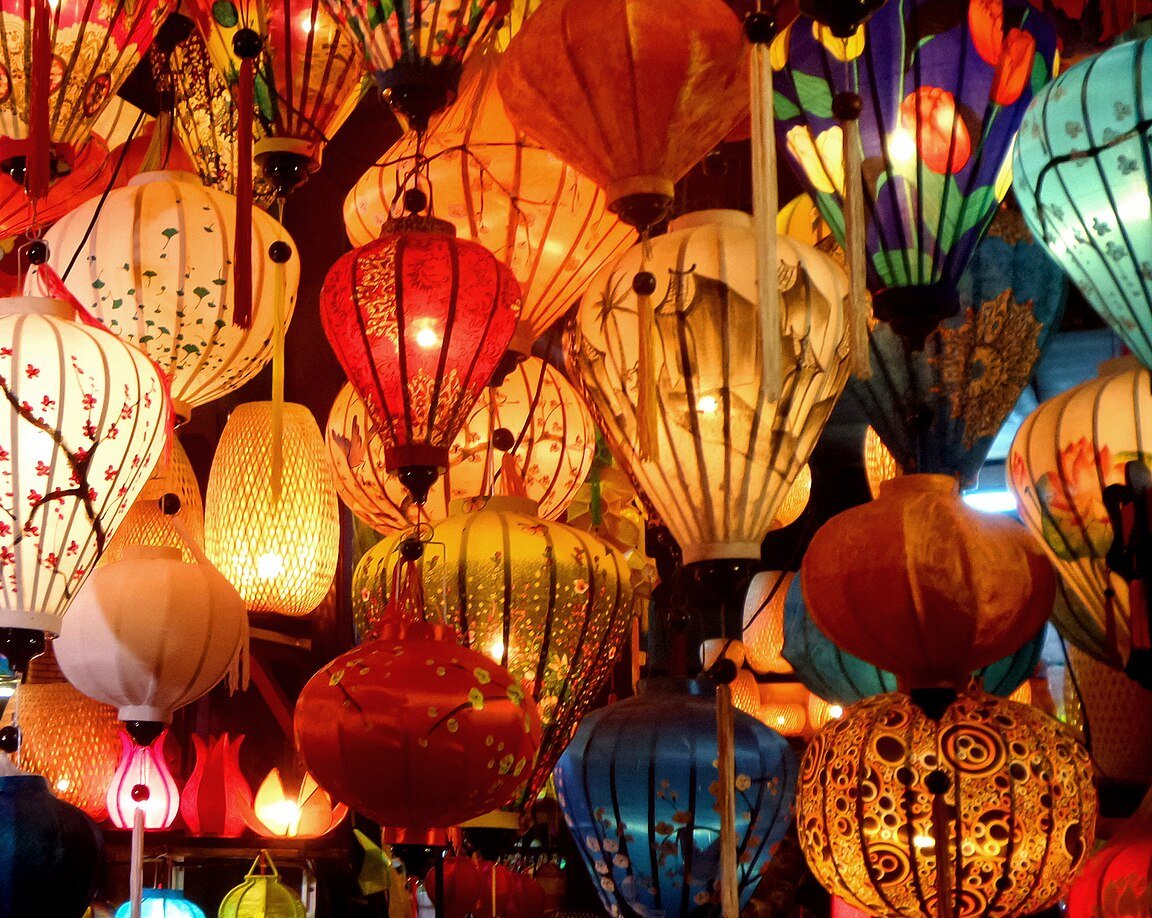
| Da Nang (and nearby Hoi An) | Relaxed coastal city with a growing remote-worker community | Beach walks, the Dragon Bridge at night, a lantern-lit evening in Hoi An | Smaller social circles, so word gets around and reputation matters |
How important is family in Vietnamese dating culture?
For many people in Vietnam, family is central, and a serious partner is often expected to meet parents at some point. This doesn’t mean every family is strict, but it helps to be prepared:
- Respect for elders is important. Greet older relatives first, use polite titles, and accept food or tea when it’s offered.
- Small gifts are thoughtful. Fruit, tea or sweets are safe choices when you visit someone’s home.
- Tết matters. The Lunar New Year (Tết) is the most important holiday of the year and is centered on family. Being invited to spend part of it with a partner’s family is a meaningful step.
- Questions may be direct. Relatives might ask about your job, your plans or when you’ll visit again. Answer honestly and kindly.
Our guide on how to date respectfully across cultures covers how to talk about these expectations as a couple.
What should foreigners know about visas, safety and money?
Visas
Entry rules depend on your passport. For example, the UK government says British citizens can visit visa-free for up to 45 days, and that Vietnam’s e-visa allows a stay of up to 90 days with multiple entries. Always check your own government’s travel advice and apply only through Vietnam’s official e-visa portal, not a look-alike site.
Safety
Meet in public, tell a friend where you’ll be, and arrange your own transport. Our first-date safety checklist for traveling in Asia walks through the basics.
Money and scams
Most people you meet are simply looking for a connection. Still, be cautious if someone you’ve only met online asks for money, gift cards, crypto or help with an “investment”. Those are classic romance-scam signs anywhere in the world. Read our guide to online dating safety and romance scams before you send anything.
Tips for a respectful first date in Vietnam
- Learn a few phrases: xin chào (hello), cảm ơn (thank you) and how to ask someone’s name.
- Be on time, and confirm plans the same day; messaging apps make that easy.
- Offer to pay, but don’t make a big show of it. Many couples split or take turns.
- Keep the first date short and easy to leave: coffee, a walk or a meal.
- Be clear about how long you’re staying. It’s kinder than letting someone guess.
If a relationship continues after you fly home, see our tips on long-distance dating across Asia.
FAQ: dating in Vietnam as a foreigner
Is it easy to date in Vietnam as a foreigner?
In the big cities it’s generally straightforward to meet people through apps, friends and social activities. Building a serious relationship takes time, patience and genuine interest in the other person’s life and family.
What is the most used dating app in Vietnam?
We haven’t found reliable public data that ranks apps in Vietnam, so we won’t name a single winner. Tinder and Bumble are widely available in major cities, and VietnamCupid focuses specifically on Vietnam.
Do I need to speak Vietnamese to date in Vietnam?
Not to start, especially in Hanoi, Ho Chi Minh City and Da Nang, where many younger people speak some English. Learning basic Vietnamese is a sign of respect and helps a lot when meeting family.
Is public affection OK in Vietnam?
Holding hands is generally fine. More intimate affection in public is often seen as inappropriate, so it’s best to keep things modest.
Can foreigners stay in Vietnam long term to be with a partner?
That depends on your nationality and visa type. Check your government’s official travel advice and Vietnam’s immigration authorities. This article is general information, not legal advice.
Sources
- GOV.UK: Vietnam travel advice, entry requirements (checked October 26, 2026)
- GOV.UK: Vietnam travel advice, safety and security (checked October 26, 2026)
- Vietnam Immigration Department: official e-visa portal
- U.S. Embassy & Consulate in Vietnam
- Wikipedia: Tết (Vietnamese Lunar New Year)
Have experience with this? Join the discussion
Have you dated in Vietnam, or are you planning to? Share what surprised you, or ask your own question, in our community thread: Foreigners dating in Vietnam: what surprised you most?
Last updated: October 26, 2026
Keep the conversation going
Share your perspective with the community. You can ask questions, exchange ideas, and learn from other members.
Join the Discussion →